


Working with the Soil Food Web
November To-Do List
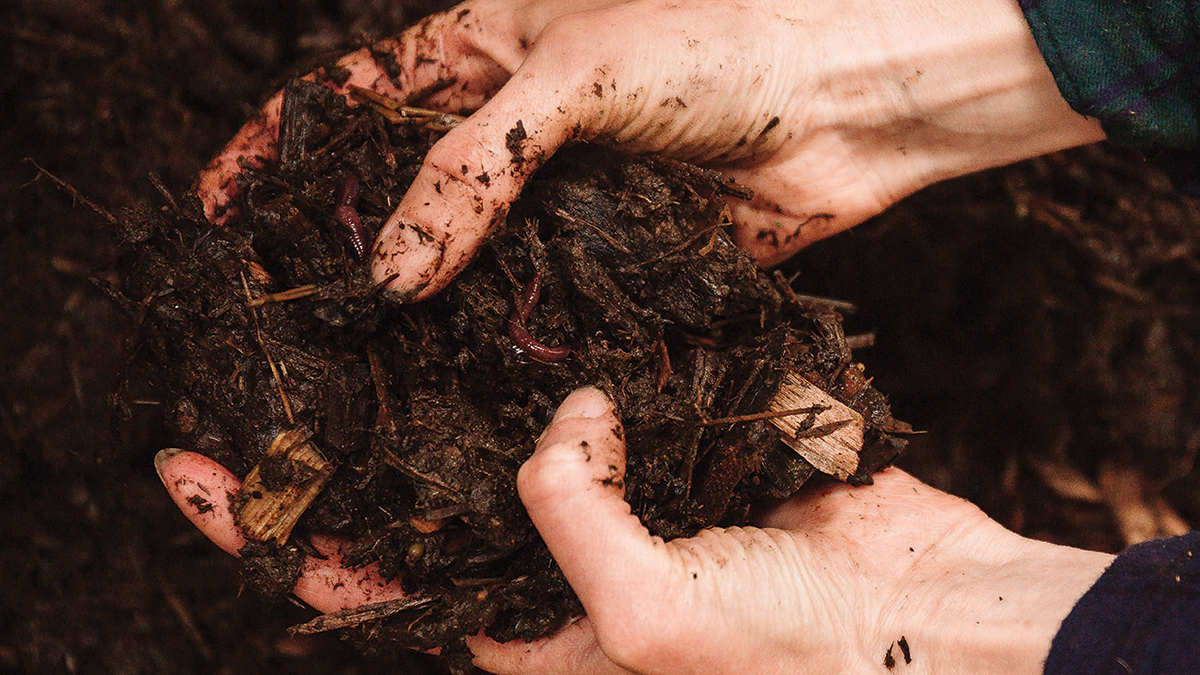
November brings a flurry of activity for serious composters. Those of us with the goal of making highly microbial material have a steady to-do list and the first mission is to get those microbes out! If your compost is creeping up on 12 months of age then it should be applied. Once their food source […]
Warmer Soils
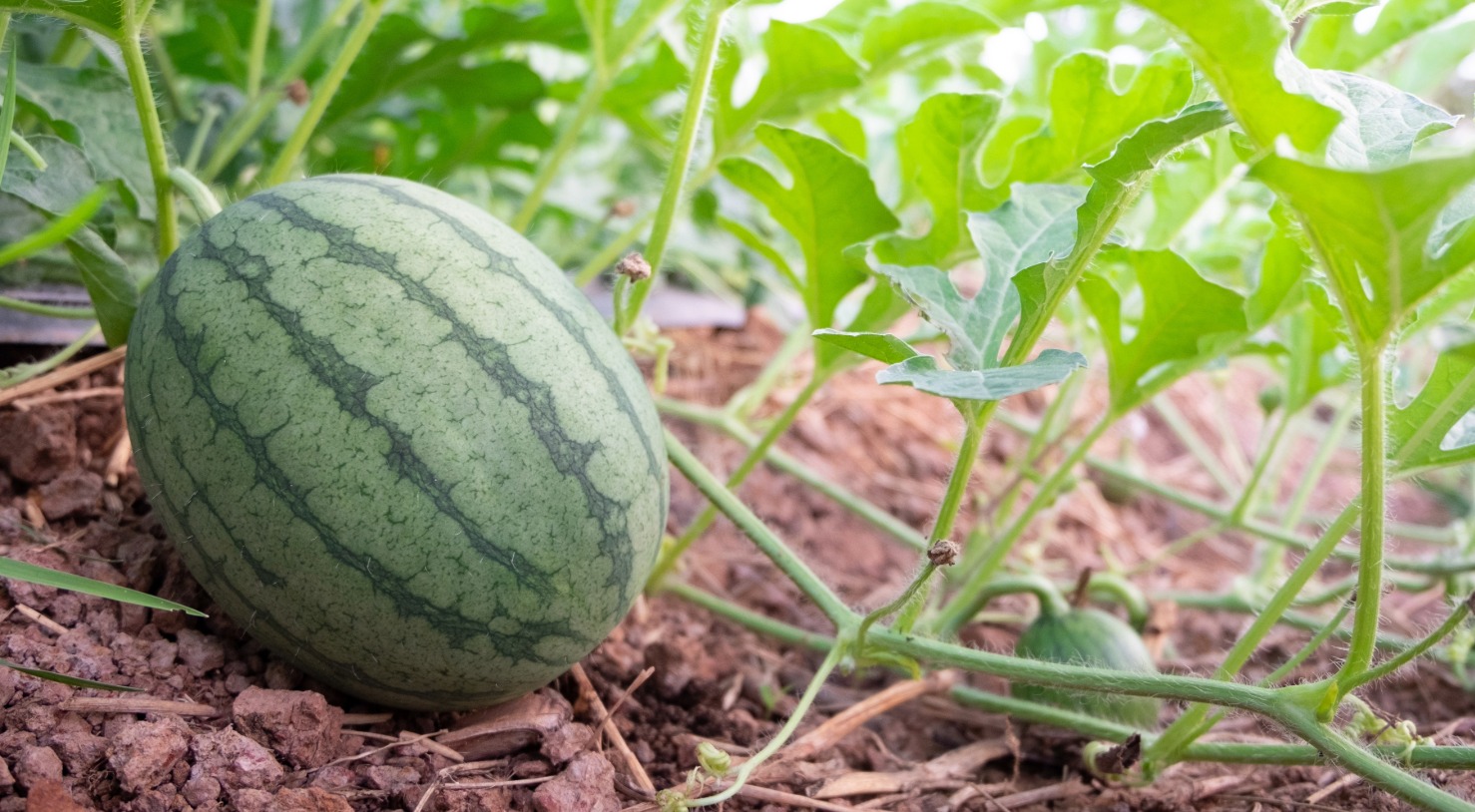
The Canadian plant hardiness zone maps have been updated and Cowichan has moved from zone 8b to 9a. So what does this mean? From a plant perspective, warmer-season crops are more likely to grow without protection. For example, watermelon and okra may now thrive in the garden. Cold-hardy citrus is more likely to survive without […]
Berries for Breakfast
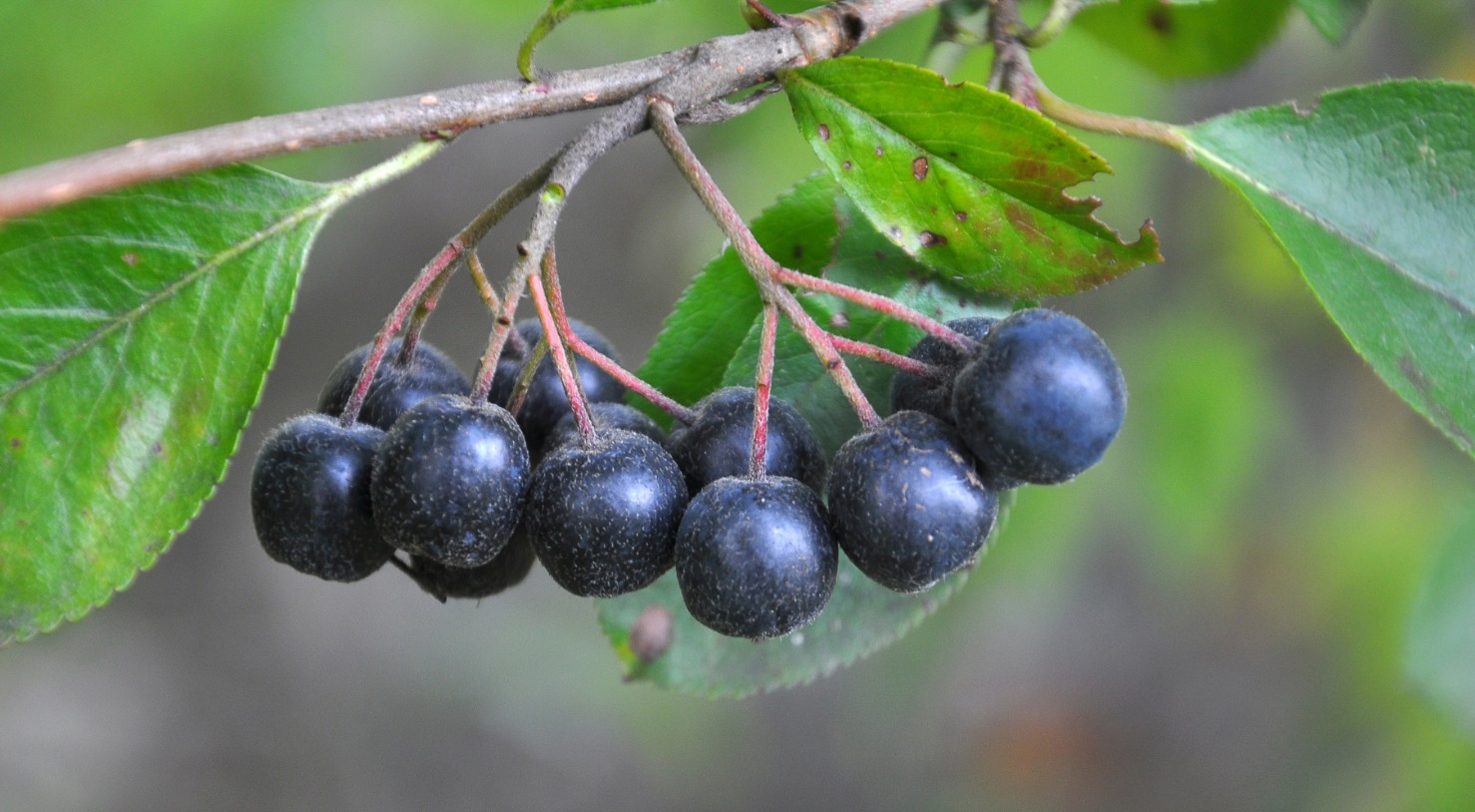
Picking berries for breakfast is one of my favourite things to do in the summer. First to ripen are always the haskaps (also known as honeyberries, most of mine unfortunately went to the birds this year). Then just as I was about to get out the nets there came a very satisfying observation…. the birds […]
Fishy Business
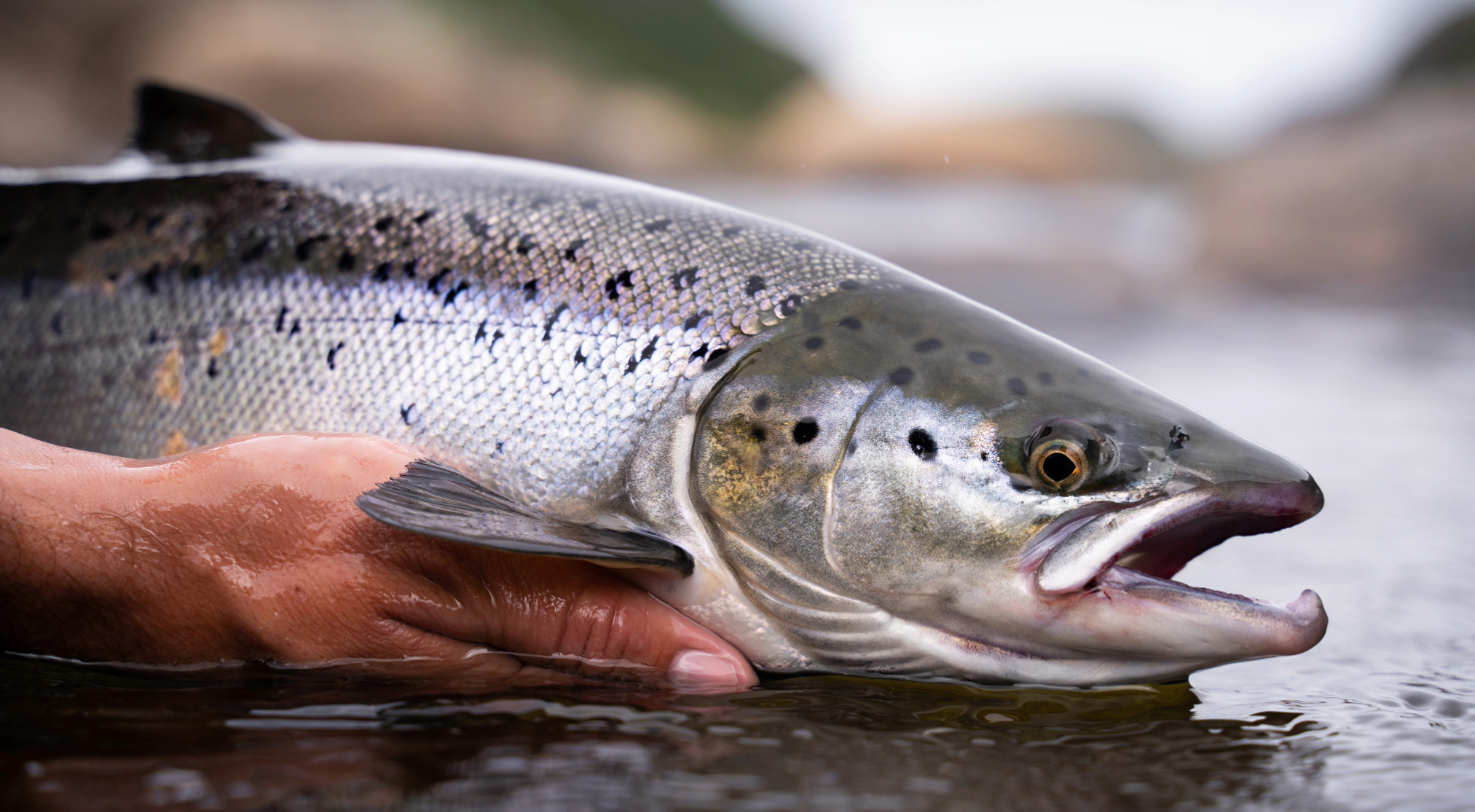
Fish have long delivered fertility to the soil, via both natural and human-driven processes. Soil food webbers use fish byproducts to increase fungi in compost piles (those of us without wildlife pressure) and – more often – to increase fungal biomass in compost teas. But these days, sourcing commercial fish products raises some serious ethical […]
Lovely Legumes
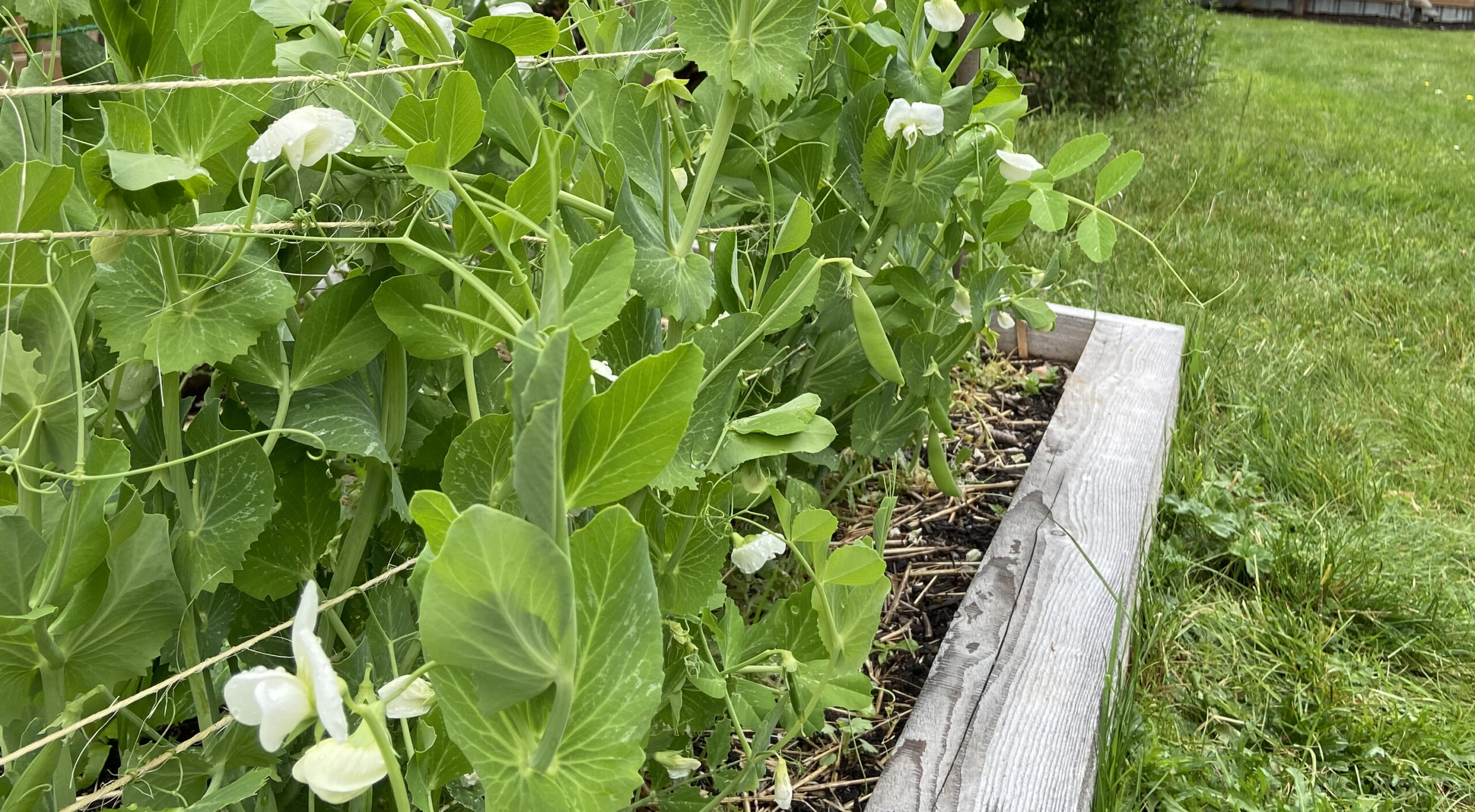
Many legumes (plants in the pea and bean family) possess a cool skill. In an energy-intensive process that involves partnering with soil biology at almost every stage, they take nitrogen from the air and convert it into plant-available form. While other types of plants rely on soil biology to convert sources of nitrogen below ground […]
Spring Stockpiling
Soil Food Web-minded folk tend to focus on building compost piles in the spring and fall, when materials are abundant. As this abundance occurs across different seasons, some forward planning is required. If your goal is to create a pile that is high in microbes and thus has the potential to regenerate soil, in the […]
Bioreactor Buzz
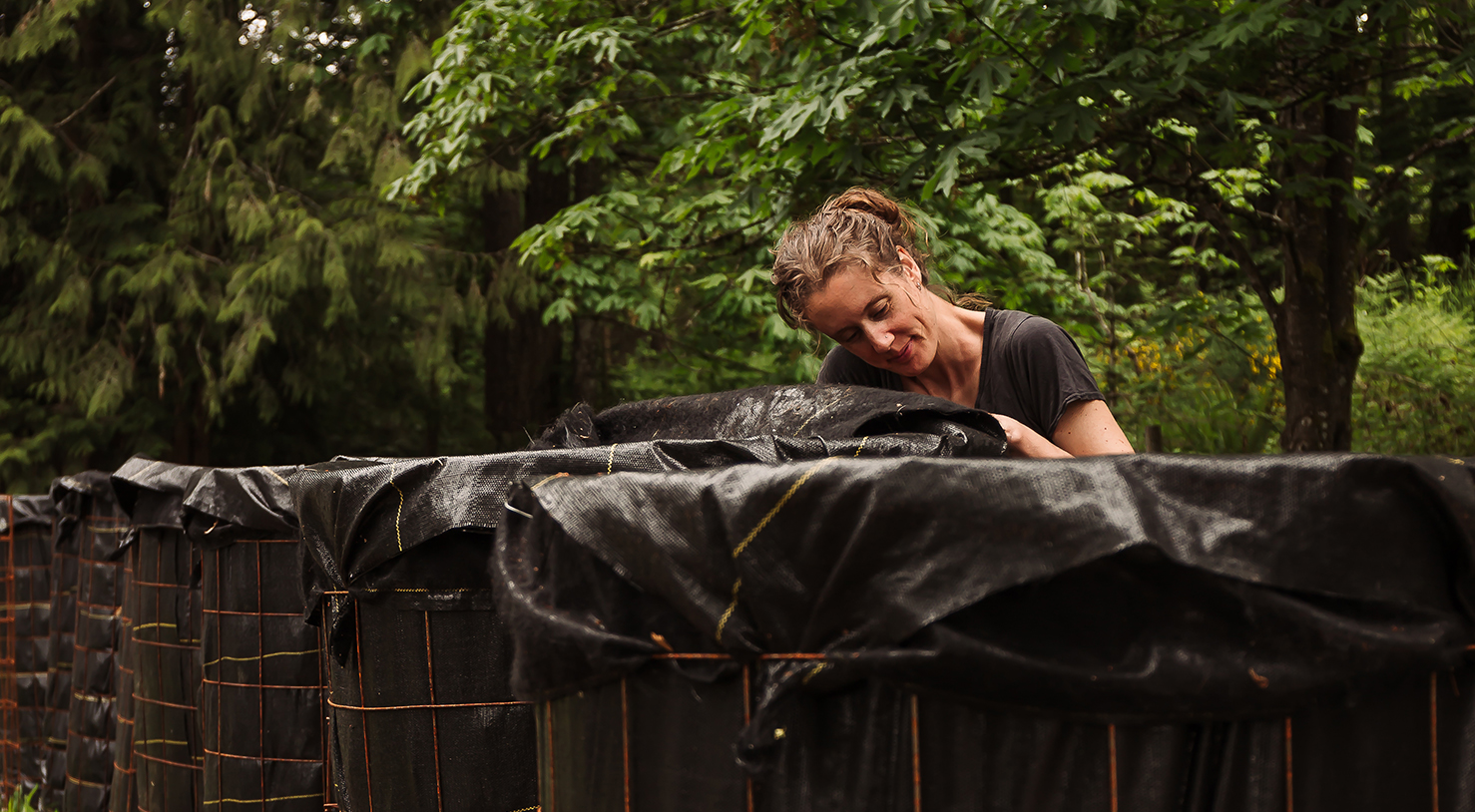
With things shifting economically these days, it seems like a good time to focus on what can be done to increase local resilience – especially in the realm of food security. We are so lucky to live in a region that still has plenty of rainfall (if only we did a better job of storing […]
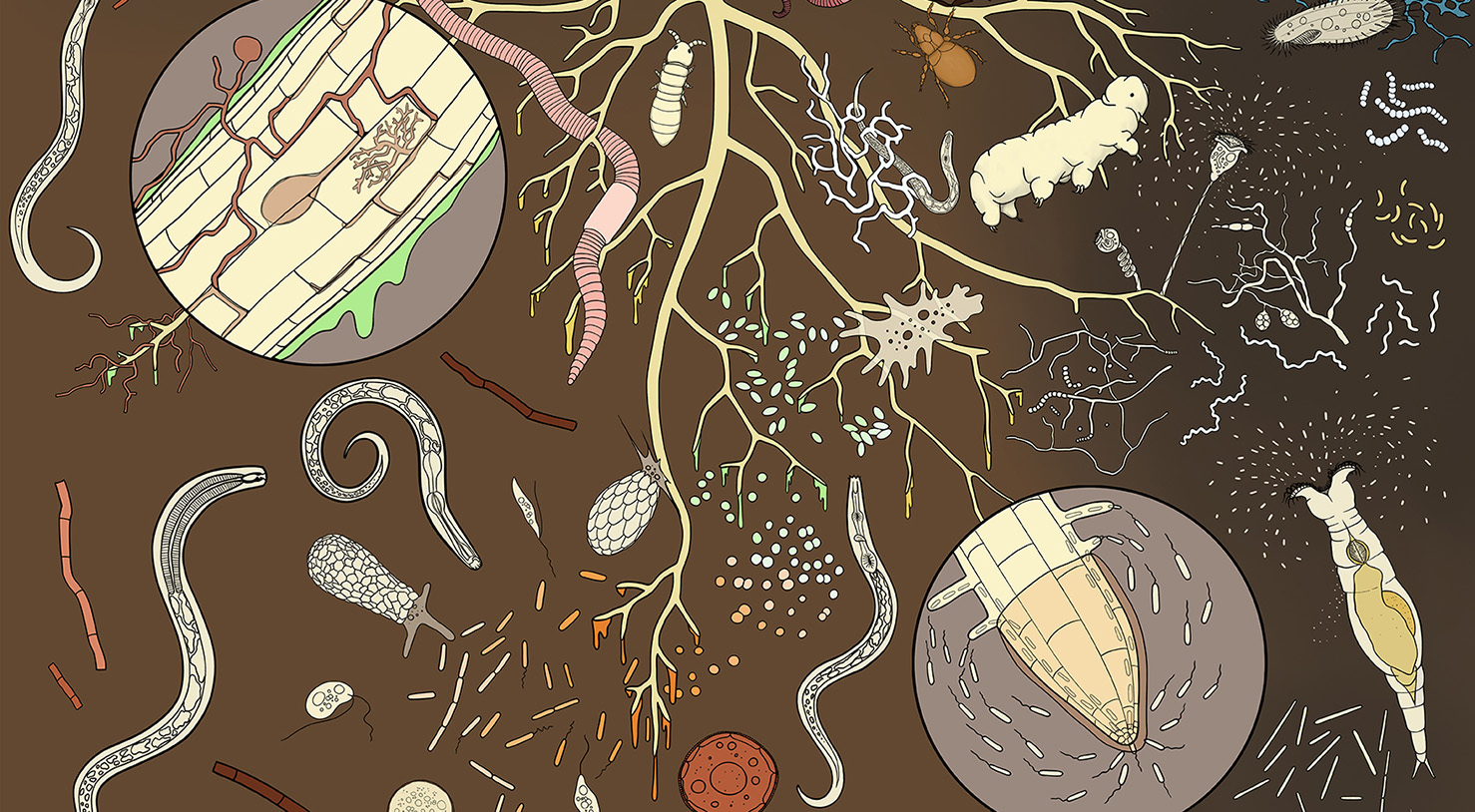
The Soil Food Web – For Families!
March marks the beginning of workshop season here at the soil lab. Traipsing around the valley with my microscope and watching folks make the connection between soil health, ecosystem health and their own health is one of my favourite things to do. Watching kids light up when they see soil microbes for the first time… […]
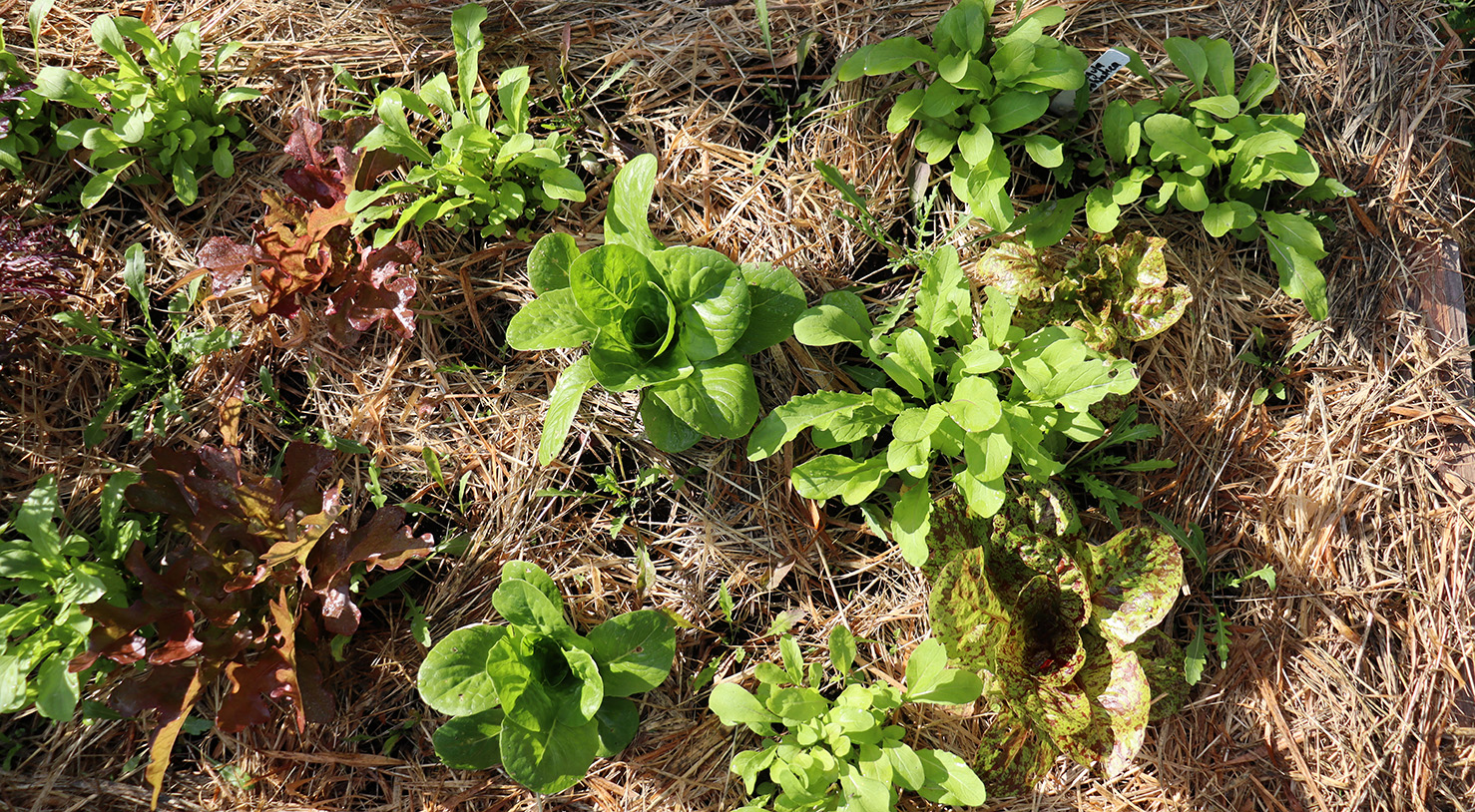
No-till Inspiration
No-till Inspiration February is usually the time when I a) really wish I’d written down all the ideas I had for this year’s garden while I was packing up at the end of last season and b) start to flip through books for inspiration and new planting ideas. Do you ever find yourself relating to […]
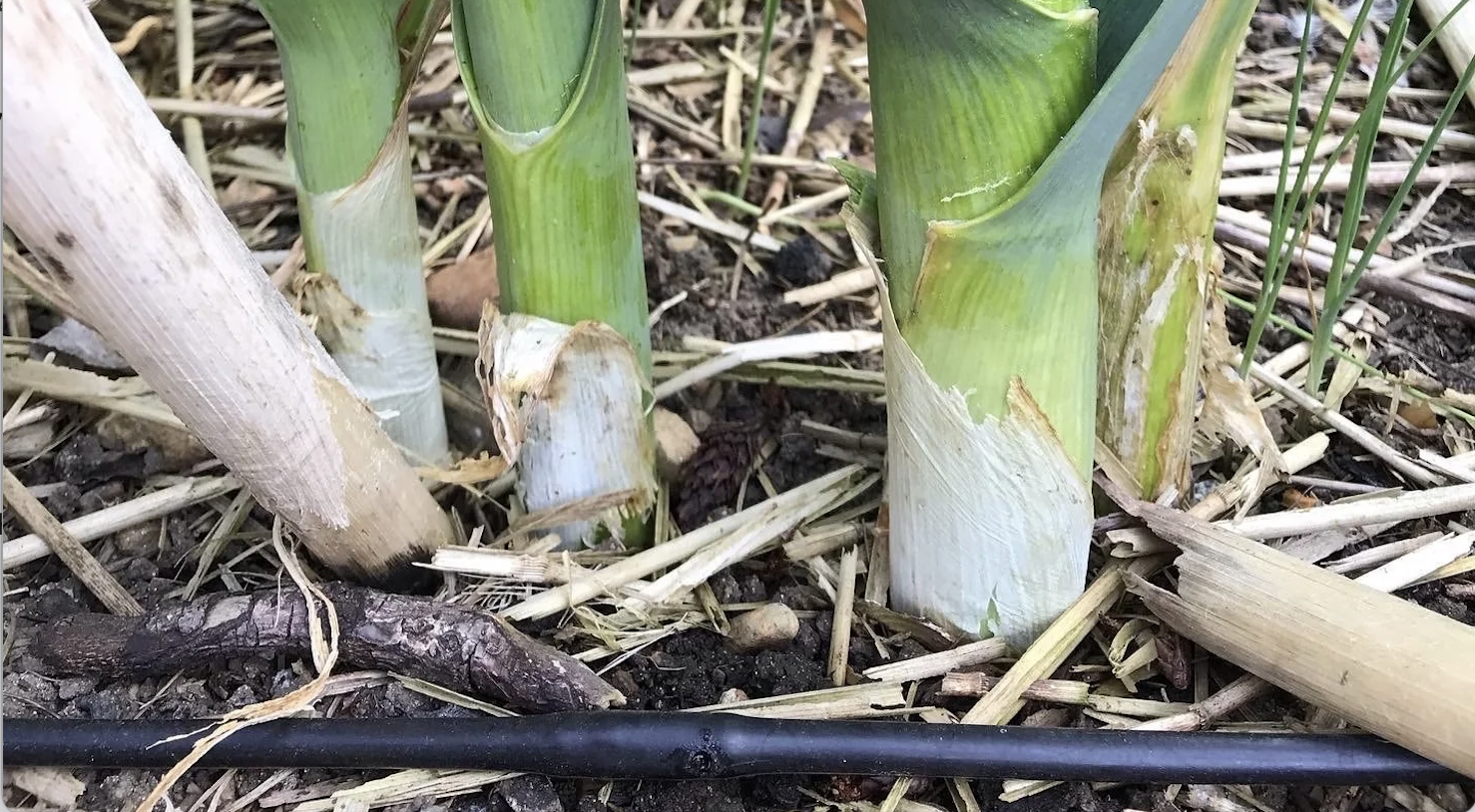
Seed-Sowing in December – Really?
Yes really! And into winter too… so you have an extra Christmas gift idea up your sleeve (or in your gardening glove?) for any passionate gardeners, homesteaders or permaculturalists in your life. Sowing perennial plants has great benefit for soil biology, and if they are edible, then that’s a bonus. While the human gut microbiome […]

Spread that Fall Compost!
Fall finds me smiling for many reasons, not least of which is thinking about all the Soil Food Webbers out there happily and diligently applying microbes to the soil. Where do those microbes come from? Compost of course! Conventional wisdom would have us see compost as a fertilizer; containing soluble nutrients prone to leaching or […]
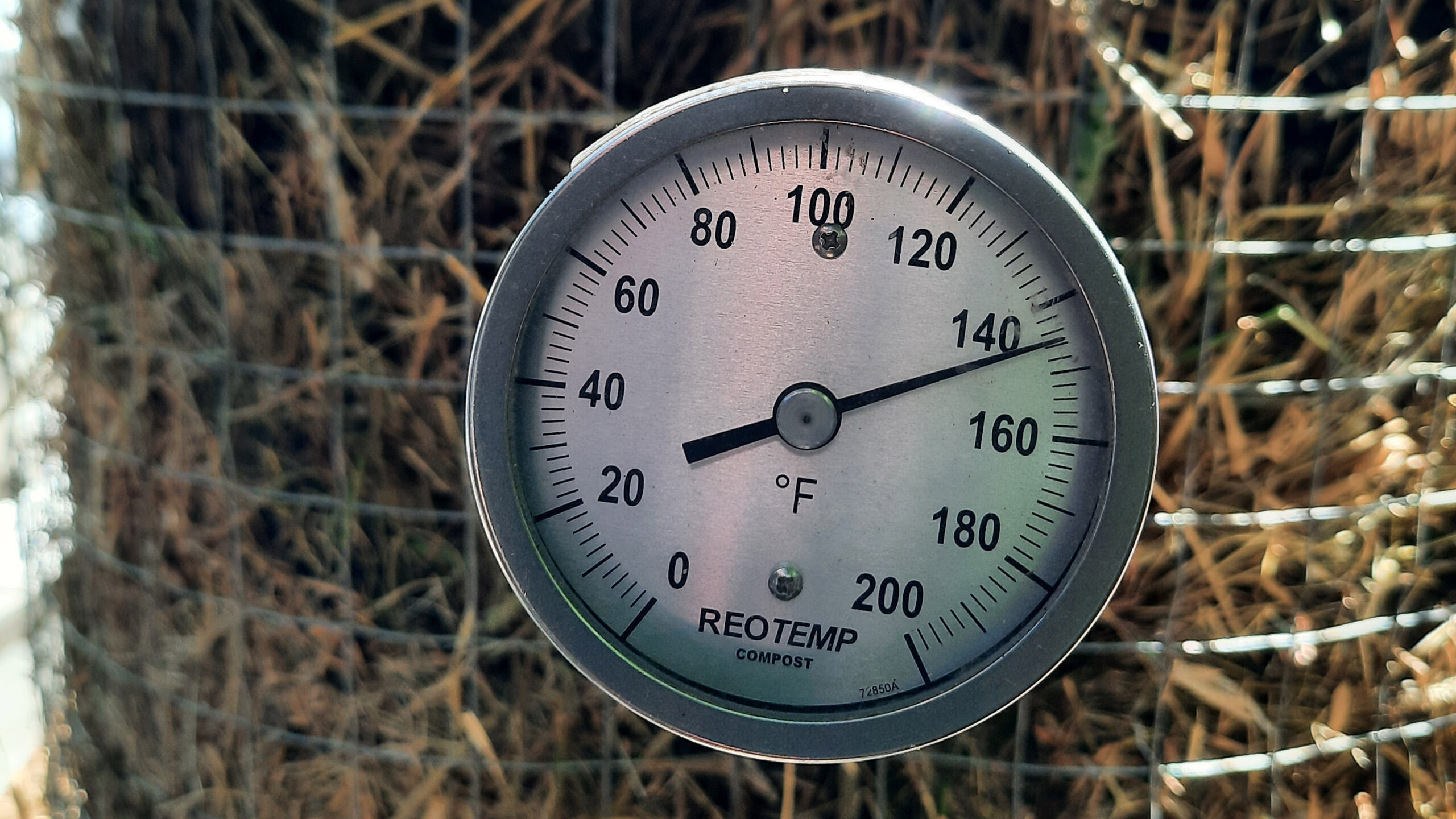
Biologically Complete Compost
When we are looking to restore life to the soil, our most important tool is compost. But not just any compost. To increase diversity and restore missing groups of plant-beneficial organisms, we need to create an effective inoculum of these microbes. You could think of the inoculum aspect a bit like a yogurt culture or […]
- 1
- 2