

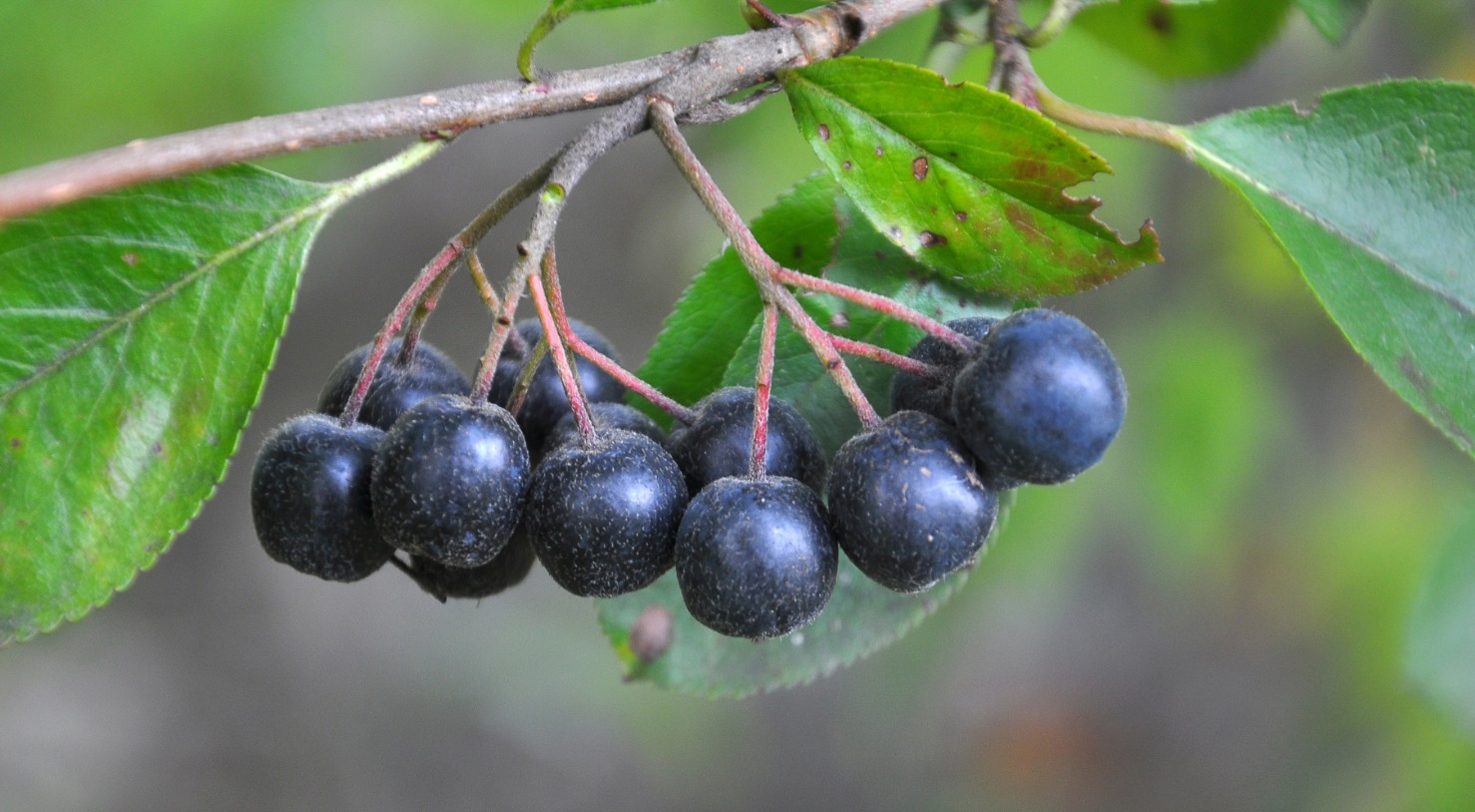
Berries for Breakfast
Picking berries for breakfast is one of my favourite things to do in the summer. First to ripen are always the haskaps (also known as honeyberries, most of mine unfortunately went to the birds this year). Then just as I was about to get out the nets there came a very satisfying observation…. the birds turned their attention to stripping the goumi bushes while the strawberries and tayberries came on, leaving my favourite breakfast berries completely untouched! The nets did have to go on for the raspberries, blueberries and marion berries though. And holy moly, what a year for blackberries at my place! I love the succession of it all, as one type of berry is finishing, another is hitting it’s peak. Sticky fingers and happy bellies all season long!
To grow all these berries well, another type of succession comes into play. As soil moves from an early successional stage (highly bacterial, suited to growing weeds and plants in the brassica and mustard families) to a later successional stage (tree species, dominated by complex underground fungal networks), we see a clear shift in the ratio of fungal to bacterial biomass observed underground. As it turns out, berries seem to enjoy a fungi to bacteria ratio of about 2:1. Most of us are growing in garden soil that is nowhere near that, so how do we encourage more fungi?
A great first step is to find out how much fungal biomass and diversity you do have, via a microscopic analysis. If enough microbes are there, healthy berry plants will do their best to cultivate it toward the F:B ratio they prefer. Fungi (and all of the other functional groups of beneficial soil organisms) can be inoculated by top-dressing with a highly microbial craft compost or soil drenching with a quality compost extract. Injecting compost extract through any compaction layers that may be present can also be very effective. Follow up with a thick mulch to keep the soil temperature down and the moisture in. You can really boost fungal populations by adding a mulch that also serves as fungal food – think mixed aged woodchips (definitely nothing that still smells like the original tree – let the odour completely off-gas first), shredded leaves, spray-free straw. I guarantee your harvests will improve, and taste better too!
