

November To-Do List
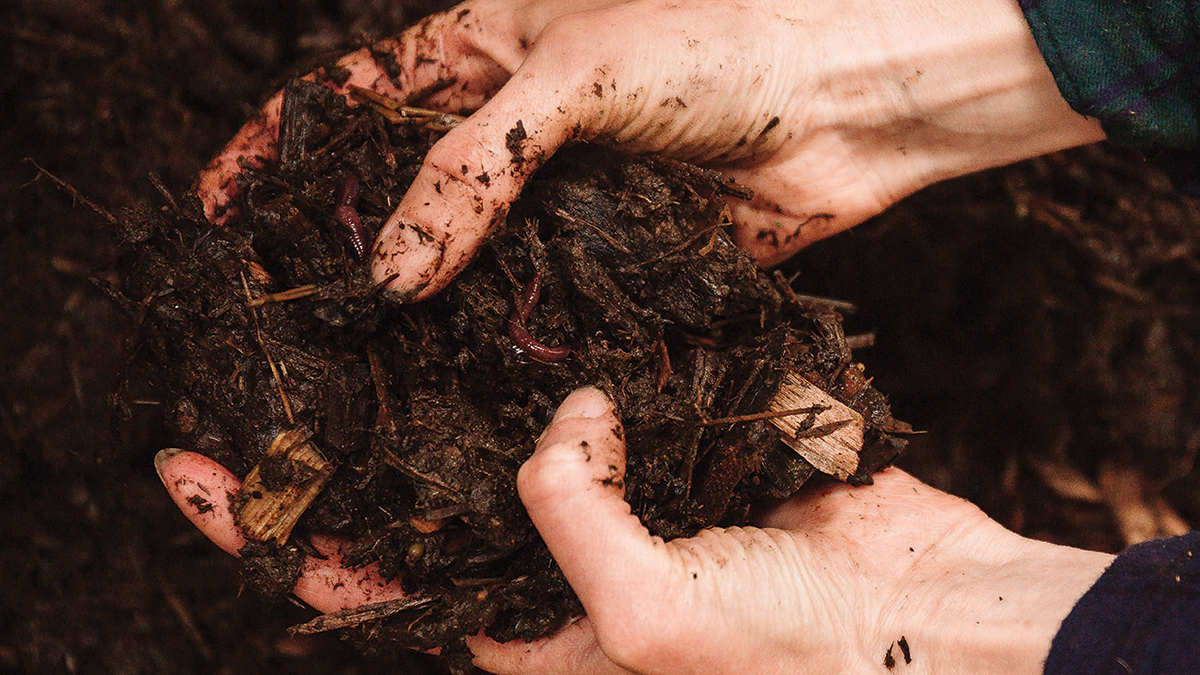
November brings a flurry of activity for serious composters. Those of us with the goal of making highly microbial material have a steady to-do list and the first mission is to get those microbes out!
If your compost is creeping up on 12 months of age then it should be applied. Once their food source runs out, microbes will search for another “hot spot” for sustenance. When they are at their peak in your pile is when you want to get them into the soil.
Fall is the most effective time of year to apply highly microbial compost. This type of compost is full of microbes that have tied up nutrients from the compost feedstock in their bodies. Nutrients held in this way do not leach, and in fact, when you have enough beneficial microbes in the soil profile – happily building spongy soil structure with their microbial glues – they will continue to gather nutrients and actually prevent leaching. Dr Elaine Ingham has done some elegant work in this area, demonstrating fungi’s incredible ability to prevent leaching of calcium.
Highly microbial compost is applied at a rate of about 1 ton (2 cubic yards) per acre, just a sprinkling on the surface. It will go so much further if you make compost extract, applied at rate of between 1 and 50 gallons (4-200 litres) per acre, depending on the soil. Then of course you need to make sure there is another “hot spot” of food available for the microbes. This means living roots or plenty of organic matter.
If your compost is still maturing, it’s time to think about microbe survival. Cover outdoor piles to prevent waterlogging from rain. Waterlogged piles are at risk of going anaerobic and of freezing solid, and most frozen microbes are dead microbes. If your pile is greater than 1 metre by 1 metre in size, and it makes a slight squishing sound when you squeeze a handful (but no water comes out), then the microbes in the middle may survive freezing weather. Insulating your pile with leaves or straw/hay will help.
Serious composters may even choose to bring it inside. I’ve had success keeping microbes alive in totes in the garage (and even under my desk). The key is to maintain some airflow while also keeping the surface moist by misting it with de-chlorinated water a couple times a week.
So if you are a microbe-focused composter, join soil food webbers all around the world who are taking advantage of fall application. Come spring, your plants will thank you!
