

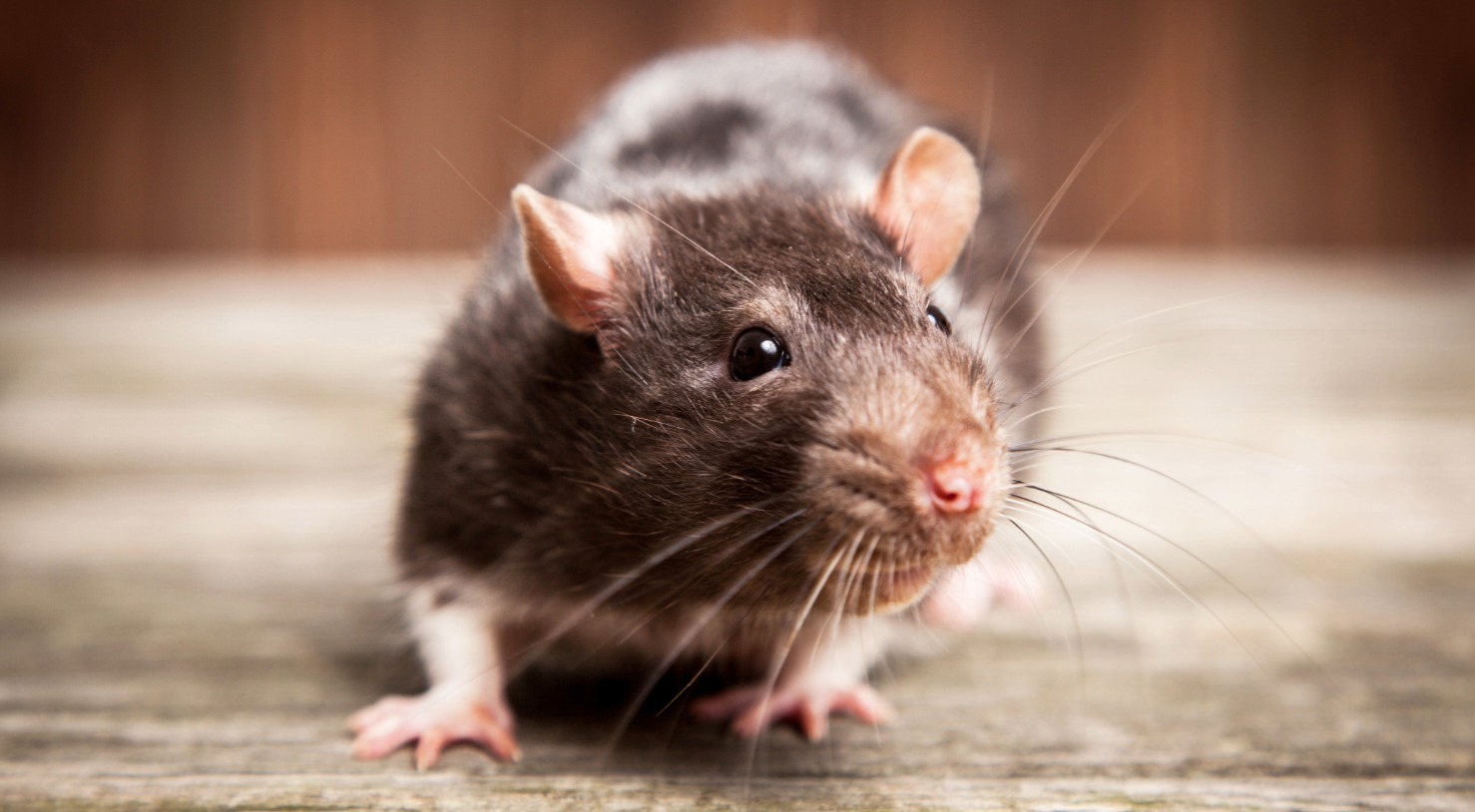
Rats!
Fall is here, and if you’ve been reading this column for a while you’ll know that this is the most exciting season for composting. However, people often share that they are hesitant to compost because of the potential for rodents. Not only can it be disconcerting to have a face-to-face encounter or to see the (sometimes very large!) tail end of one scurrying away, but the germs they bring are a very real issue. It is disheartening to go to the effort of turning a pile to make sure every part has been through the “hot middle” for pathogen reduction, only to find tunnels and that tell-tale excrement in the fruits of your labor. This becomes especially important if you plan to make compost tea, which can multiply pathogens exponentially.
Aside from fully enclosed home composting systems like tumblers (which can be notoriously difficult to keep microbially balanced and aerobic), there are a couple of options that I have found to be effective. Both involve starting with a pallet. Staple rodent-proof mesh, like ½ – 1-inch mesh, to the entire surface of the pallet. Building this base also serves as a great way for any excess liquid in your pile to drain freely, keeping the base of your pile aerobic.
Next, take a sheet of sturdy rodent-proof mesh (I like 1-inch mesh, but 1 by 2-inch mesh also works). The sheet should be 4 feet high and about 11 feet long, the thickest gauge you can find. Shape into a cylinder that will fit nicely within the edges of the pallet and fasten your cylinder together with small bungie cords or twine. I also use twine to tie the base of the cylinder to the pallet, ensuring that the twine can be easily untied and the cylinder easily released when it comes to turning the pile. Fill the ring with your composting materials, place a lightweight board on top as a lid. With attention to moisture, you will be surprised at how well the material holds together and it can be easily turned onto a second pallet, re-filling the same cylinder, when the time comes.
Finding mesh to make a cylinder that is both rodent-proof and sturdy enough is a challenge that is not insurmountable but often expensive. An alternative is the Geobin – a sturdy, BPA-free plastic sheet with holes in it and a very handy fastening system, that can be tailored into a cylinder of any size. Pop one on your rodent-proofed pallet with a lid on top and you are good to go for many years! You can find them available, along with information on using them for worm composting, at www.pacificcomposting.ca. And don’t forget that this is the last month to register for my fall courses on building microbially rich compost, details in the Fall/Winter CVRD Recreation guide.
