

Warmer Soils
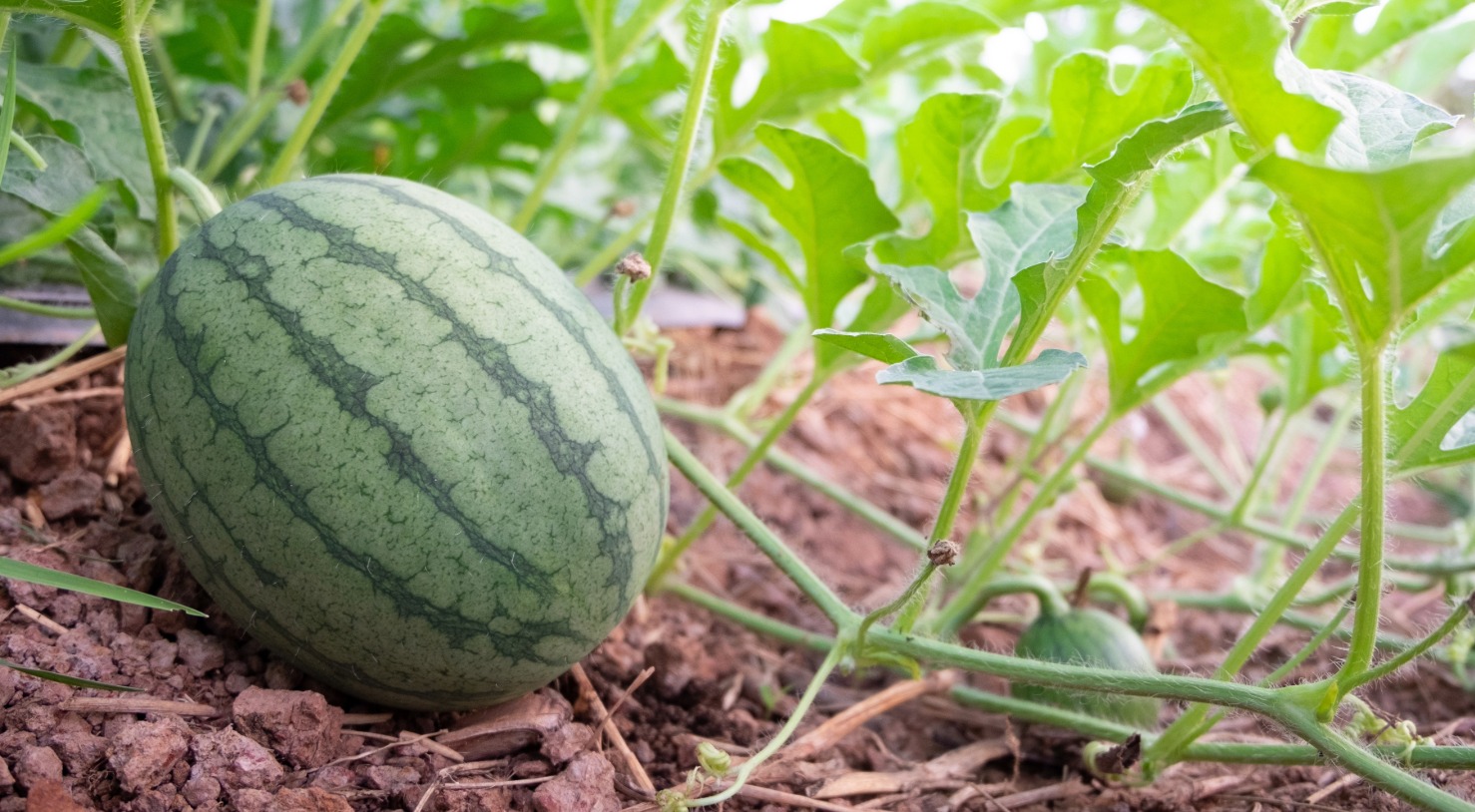
The Canadian plant hardiness zone maps have been updated and Cowichan has moved from zone 8b to 9a. So what does this mean? From a plant perspective, warmer-season crops are more likely to grow without protection. For example, watermelon and okra may now thrive in the garden. Cold-hardy citrus is more likely to survive without assistance over the winter, figs are less likely to suffer frostbitten branches, and more palm species will make it through. There’s a possibility that dahlia tubers will more successfully overwinter in the ground, with plenty of mulch and well-draining soil. We’re not yet ready for bananas – and of course we still need to take microclimates and freak weather events into account – but options are widening.
Warmer temperatures also mean warmer soils. Depending on rainfall, soils may warm up earlier in the spring, widening growing timeframes and bringing earlier blooms. Hotter summers will mean increased soil surface temperatures and evaporation, heightening plant stress potential. It’s more important than ever to work to build and protect soil structure, so that the “soil sponge” can do it’s job: retaining the moisture that we do get, facilitating deeper and healthier root development, preventing nutrient leaching and erosion. And the only component of soil that has the capacity to build this spongey structure is soil microbial life. You can add organic matter until the cows come home but without the biotic glues of aerobic soil microbes, good structure will be lacking.
Now is the best time to plan how you will support soil structure. Will you mulch? Cover crop over the winter? Both options will protect and feed soil biology, but a mixed species fall cover crop (the kind you really should have in the soil by the end of this month) may be more effective. A good compost extract drenched on the soil will bring in aerobic bacteria, fungi, protozoa and nematodes. You can learn how to make extract at the Homesteading Fair at the Hub in Cowichan Station, September 6th, where I’ll be demonstrating at 10am. Bring a compost sample if you like and let’s see if its suitable for extraction.
For a deeper dive into the soil food web approach, registration is now open for my soil biology evening classes, listed in the CVRD Fall Recreation Guide.
